
Pipe Dreams: 12 Plumbing Upgrades Worth Splashing Out On
Is it time you invested in some plumbing upgrades throughout your home? From pull-down taps to pipe insulation, there are many improvements that can help make your home more economical, more comfortable and more practical. Below are 12 examples of plumbing upgrades that are worth splashing out on.
Pull-out kitchen taps
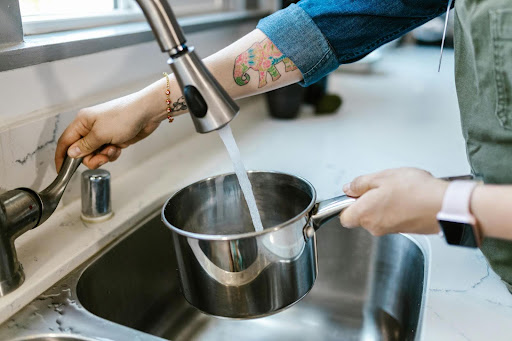
Pull-out taps have become very popular in modern kitchens. Unlike traditional taps, these have an extendable nozzle. This allows you to more easily clean pots and get into the corners of your sink. You can buy these taps in a variety of finishes including chrome steel, brass and matte black. Some of these taps also have adjustable pressure and steam options.
Boiling water tap
Boiling water taps can provide boiling water on demand. No more waiting for a kettle to boil! They use an under-sink boiler to keep water ready at a hot temperature. As a safety measure, many have push and turn handles, preventing someone who hasn’t used the tap from accidentally scalding themselves. Such taps can be integrated into pull-down taps or installed as separate faucets.
Dual flush toilet
In an average home, flushing the toilet accounts for 30% of household water usage. Dual flush toilets help to reduce water usage by offering a half-flush and full-flush option. This half-flush option only uses 3 litres, compared to the 6 litre full flush option. Those who have older toilets (some of which can use up to 13 litres per flush!) are certain to notice the biggest difference to their water bills when buying a dual flush toilet.
Thermostatic shower
Does your shower like to fluctuate between hot and cold? It could be time to switch to a thermostatic shower. These showers are designed to maintain a steady temperature, making them safer and more comfortable to use. Thermostatic power showers can meanwhile increase water pressure and are recommended for showers that have a weak flow. Shop around for energy-efficient and user-friendly options.
Smart leak detectors
Detecting leaks in your home early can help to prevent water damage and expensive plumbing bills. One modern device that can be used to detect leaks is a smart leak detector. These detectors come in two forms – spot sensors (small wireless sensors that can be placed around various pipes around your home to detect excess moisture) and inline monitors (which are installed directly on the pipe, and detect leaks by tracking changes in water pressure). Both types of detector can link up to an app on your phone and alert you when a leak is detected. They are recommended in homes with older plumbing.
Underfloor heating
For heating up cold floors, underfloor heating is a great solution. It’s particularly useful for bathrooms as it can help puddles of water to evaporate and reduce problems like mold. While electric underfloor heating is the cheapest option to install, plumbed-in electric heating is often more economical in the long run. Look for specialist plumbing companies that can install underfloor heating for you. You can install underfloor heating throughout your home to enjoy warm flooring in every room, however this could be quite expensive.
Tankless water heater
Tankless water heaters heat water on demand to provide a continuous supply of hot water. They’re also a lot less bulkier than traditional water heaters and are more energy-efficient. Many modern homes now have these installed as standard, however many older homes still use traditional water tanks. If you’ve still got a traditional water tank, consider whether it could be worth switching a tankless water heater to save money and save space.
Backup water tank
A backup water tank can provide emergency water storage if there is a problem with your mains supply. It’s useful if you live in an area that is prone to natural disasters – if local plumbing is affected, you’ll still have a supply of water to use for the next few days. Such tanks come in various sizes for different household needs. The biggest carry about 300 gallons.
Rainwater recycling system
It’s possible to use rainwater for household usage by installing a rainwater recycling system. Such a system collects rainwater from a home’s roof and reuses it for non-potable applications like toilet flushing, washing clothes and gardening (it is possible to also purify water for drinking usage, but it can be a lot more expensive). Such systems are able to collect, filtrate and store water and can greatly save you money on your water bill each year. This guide to rainwater recycling explains more.
Greywater recycling system
A greywater recycling system meanwhile takes wastewater from your sinks and shower and reuses it for toilet flushing. Like a rainwater recycling system, this can greatly reduce mains water usage and potentially save you a lot of money on your bills. A specialist plumber will be able to help you install such a system in your home (such systems may be too complex to install in some older homes). You can learn more about greywater recycling here.
Whole-house filtration
Want to make sure all the water used in your home is free of contaminants? A whole-house filtration system helps to clean all water entering your home. Such systems can not only make water safer to drink, but can eliminate the chlorine taste and reduce limescale-causing sediment. People with sensitive skin also report that reduced levels of chlorine and heavy metals in water can help reduce issues like eczema. There are a few different types of filtration system that are worth comparing.
Pipe insulation
Frozen pipes can be a major issue in winter – leading to pipe damage, low water pressure and heating system failure. Pipe insulation helps to prevent plumbing from freezing up by adding a thermal casing to the outside of the pipe. Not only can pipe insulation prevent pipes from freezing up, but it can also reduce heat loss through hot water pipes, reducing the energy required to provide hot water to faucets around your home. Specialist insulation companies can help install pipe insulation to vulnerable pipes around your home.