
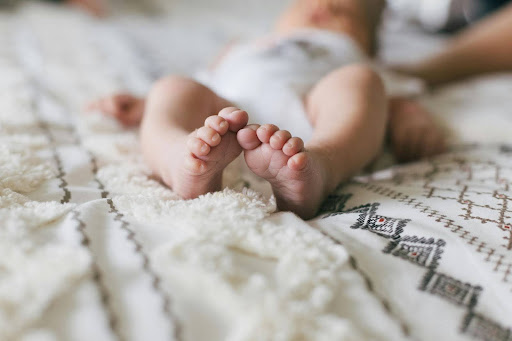
Photo by Michael Morse: https://www.pexels.com/photo/baby-lying-on-white-and-red-textile-5079883/
Baby Skin Troubles Explained: Eczema vs Acne
New parents often expect to have to change diapers all night and not sleep, but skin problems in their baby’s first few months can surprise them. Little red bumps, rough spots, or sore cheeks can quickly make you worry. Is it eczema or acne? Knowing the difference between these two common skin problems can help you feel better and choose the best care for your baby’s sensitive skin.
Baby skin is thinner and more sensitive than adult skin, so it reacts more quickly to hormones, moisture, and changes in the environment. That’s why rashes happen a lot at first. At first glance, eczema and acne may look the same, but they are not the same and need different treatments.
What Is Acne in Babies?
Neonatal acne, or baby acne, usually shows up in the first few weeks after birth. It usually looks like little red or white bumps on the forehead, nose, cheeks, and sometimes the chin. Baby acne doesn’t have blackheads and usually doesn’t hurt or itch as teenage acne does.
The most common reason for baby acne is that the baby is still exposed to maternal hormones after birth. These hormones can make oil glands work harder, which can cause temporary breakouts. Most of the time, baby acne goes away on its own in a few weeks or months and doesn’t need any treatment.
Parents often want to scrub or use acne products, but that can make things worse. Most of the time, all you need to do is wash your baby with warm water and a mild, unscented baby soap. Pat the skin dry and don’t use thick lotions or oils on the affected areas unless a doctor tells you to.
What Is Eczema in Babies?
Atopic dermatitis, also known as eczema, is a long-term skin condition that usually shows up after the first month, after baby acne. It usually causes red, dry, rough patches that may feel scaly and itch. Eczema often affects babies’ cheeks, scalp, arms, and legs.
Eczema is different from baby acne because it is caused by genetics and the skin’s inability to retain moisture. Babies who have a family history of eczema, asthma, or allergies are more likely to get it. Dry air, heat, drool, harsh soaps, and some fabrics can make symptoms worse.
Eczema often comes and goes. The skin might look calm some days, but flare-ups can happen at any time. Babies may rub their faces or scratch because itching can be uncomfortable, which can make the skin even more irritated.
Key Differences Between Eczema and Acne
There are clear differences between the two conditions, even though they can both affect a baby’s face. Baby acne looks like little pimples and doesn’t make the skin dry or itchy. Eczema looks like dry, red patches and can be painful. Acne usually goes away on its own, but eczema may need to be treated on an ongoing basis.
Another clue is timing. Acne usually starts very early and goes away on its own. Eczema may come and go over time, especially when the weather changes or when you come into contact with things that trigger it.
How to Treat Baby Acne
The good news is that baby acne usually goes away on its own and isn’t dangerous. The goal of treatment is to keep the skin clean and free of irritation. Once a day, wash your baby’s face with warm water and a mild soap. Don’t scrub, pick, or use acne products for adults, as these can hurt sensitive skin.
A pediatrician can rule out other skin problems and suggest the best treatment if acne is very bad or doesn’t get better after a few months.
How to Treat Baby Eczema
To deal with eczema, you need to be more proactive. Moisture is very important. Using a thick, scent-free moisturizer at least twice a day helps keep the skin barrier strong. A lot of parents say that ointments or creams work better than lotions, which can be too light.
Bathing should be short and done in lukewarm water. Use gentle cleansers that don’t have soap in them, and then moisturize right after you dry your skin. Using soft, breathable fabrics like cotton can also help ease irritation.
A pediatrician may suggest medicated creams to help with inflammation during flare-ups in some cases. Always do what your doctor says when you take prescription drugs.
Making a Nursery That Is Good for Your Skin
When making a list of everything you need for a fully stocked nursery, don’t forget to include skin care products. If your baby is prone to eczema or acne, gentle cleansers, soft washcloths, hypoallergenic detergents, and unscented moisturizers can help a lot.
If you live in a dry area or during the winter, think about getting a humidifier to keep the air moist. Avoid using scented sprays or harsh cleaning products that could irritate your skin on your bedding.
When to See a Doctor
If you’re not sure if your baby has eczema or acne, or if a rash gets worse, oozes, or hurts, it’s best to see a pediatrician. If you have rashes that won’t go away, you may need to see a doctor to rule out infections or allergies.
It can be stressful to see changes in your baby’s skin, but both eczema and acne are common and can be treated with the right care. You can respond calmly and effectively if you know the differences. You can help keep your baby comfortable and supported as their skin grows and changes by taking care of them gently, being patient, and setting up a nursery that is well thought out.
Your baby’s skin will keep changing and getting stronger as they grow. It’s just as important to stay informed, look for patterns, and trust your gut as it is to use any product. Most babies outgrow early skin problems with time and care, so you can spend more time bonding with them, celebrating milestones, and enjoying these short-lived early moments.