Image Credit: Unsplash
How Modern EMS Strengthens Community Health and Safety
Emergency medical services are a critical part of every community’s public safety infrastructure. While ambulances are often associated with emergency transport, today’s EMS professionals provide a wide range of medical services that support public health, emergency preparedness, and community resilience.
Beyond the Siren: Daily Impact
Emergency medical services (EMS) personnel do a lot more than just handle big emergencies. These professionals are really woven into the health and safety of our communities. You’ll see them providing medical support at local football games, concerts, and public festivals, making sure help is right there if anyone needs it.
Many EMS teams also get involved in public health efforts. They might offer blood pressure screenings, teach CPR classes, or educate school kids about safety. This kind of proactive work helps stop emergencies before they even happen and builds trust between responders and the people they serve. Their presence is a steady, comforting part of the community, offering stability and support every single day.
What Makes a Rapid Response Possible
An emergency response that’s quick and effective doesn’t just happen by chance. It’s all thanks to a carefully planned system that includes people, procedures, and equipment. The process starts with a calm, well-trained dispatcher who gathers important information and guides the caller while sending out the right units. From that point on, paramedics and EMTs are in a race against time.
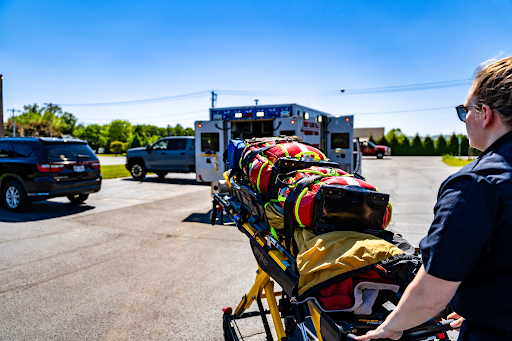
Their success really depends on having the right tools. This means a fleet of dependable, well-equipped vehicles ready for anything. Choosing the right new and used Type III ambulance allows EMS providers to balance patient care capacity with maneuverability, making these vehicles well suited for many urban and suburban emergency response operations. In more spread-out places, the challenges of rural emergency preparedness mean they need to strategically place resources to cover distances and make sure everyone gets timely care.
Training and Technology Synergy
The field of emergency medicine is always moving forward, and so are the skills of the professionals in it. Paramedics and EMTs go through tough initial training and are committed to ongoing education. This keeps them up-to-date with the newest medical procedures and life-saving techniques. Their dedication ensures they can give the best possible care right at the scene.
Technology is a powerful partner in their work. Modern ambulances function as mobile treatment units equipped with advanced diagnostic, monitoring, and communication technology. This mix of human expertise and tech innovation means critical care starts long before a patient even gets to the hospital. Specialized roles, like rapid response nurses who bring advanced care right to the patient, really show this trend of bringing high-level skills directly to those who need them.
The Evolution of Emergency Care
Over the past several decades, an ambulance’s main job was just to get people to the hospital fast. Today, things are very different. Emergency medical care has grown into a sophisticated practice called “mobile medicine.” Responders now perform complex procedures that used to only be possible in a hospital.
This includes giving clot-busting medications to stroke patients, using ultrasound to find internal injuries, and managing serious heart problems right at the scene. Some EMS systems are even starting mobile integrated healthcare programs. In these programs, paramedics make scheduled visits to patients with long-term conditions, helping them manage their health at home and avoid unnecessary hospital stays. This shift reflects a broader trend of bringing healthcare closer to patients, expanding access to care beyond traditional hospital settings while improving long-term community health outcomes.
As emergency medical services continue to evolve, investments in skilled personnel, advanced equipment, and modern response systems will remain essential to improving patient outcomes and strengthening community resilience.