
Image Credit: Unsplash
Hidden Energy Drains That Could Be Raising Your Utility Bills
That familiar dread when your monthly energy bill arrives, much higher than you thought it would be? We’ve all been there. You rack your brain, trying to figure out what you did differently, but the answer isn’t always clear. Often, the real culprits are hidden costs, little inefficiencies, and habits that quietly add up without you even noticing. Let’s dig into some of these sneaky energy drains and find easy ways to plug those leaks in your budget.
Water Heating Efficiency
Your water heater is a big energy user in your home, second only to your heating and cooling system. It’s constantly working to keep a large tank of water hot for your next shower or load of dishes. If your unit is old, it might be working harder than it needs to. Over time, sediment can build up inside the tank, forcing the heating elements to work longer to warm the water.
Sometimes, the heating element itself begins to wear out, resulting in inconsistent hot water and reduced efficiency. In many cases, water heater element replacement can restore your system’s performance without the expense of replacing the entire unit. Addressing the problem early can help lower energy consumption while extending the life of your existing water heater.
Peak Usage Times Matter
Did you know that when you use electricity can be just as important as how much you use? Lots of utility companies have Time-of-Use (TOU) plans. This means electricity costs more during “peak hours,” when everyone is using it at once. This usually happens in the late afternoon and early evening, when people get home from work and start up their appliances.
Running your dishwasher, washing machine, or dryer during these peak times could be costing you extra. Check with your energy provider to see if you’re on a TOU plan. If you are, simply shifting your heavy appliance use to off-peak hours, like early morning or late at night, is an easy, free way to lower your bill.
Inefficient Appliances Drain Power
Many modern electronics still draw power even when they’re turned off. This “vampire power,” or standby power, can be a surprisingly large chunk of your home’s energy use. Things like TVs, game consoles, and chargers are often the culprits. While one device might not seem like much, all those little drains from dozens of electronics really add up. When you think about the average kWh a house uses, you can see how these small drains become a big deal over time.
Older appliances are another big source of wasted energy. That old fridge in the garage or the extra freezer in the basement might be handy, but it could also be guzzling electricity. When it’s time to replace an appliance, look for the Energy Star label. This means the product meets strict energy-efficiency standards.
Heating and Cooling Losses
Your HVAC system is probably the biggest thing on your energy bill. If your home isn’t sealed up tight, a lot of the air you pay to heat or cool can just escape through leaks and drafts. Small gaps around windows, doors, and electrical outlets can lead to a lot of wasted energy.
Poor insulation in your attic or walls makes your system work harder and longer to keep your home comfortable. Even a simple fix like changing a dirty air filter can make a difference, because a clogged filter forces your HVAC system to strain to move air. Taking a moment to understand what your monthly electricity bill says about your usage can often show you exactly how much your heating and cooling habits are costing you. Easy actions like weatherstripping doors or caulking windows can really pay off.
Smart Habits for Savings
Beyond big appliances and insulation, small daily habits can make a real difference. Always turning off lights when you leave a room, unplugging chargers when they’re not in use, and using smart power strips that cut power to devices on standby can all help lower your bills.
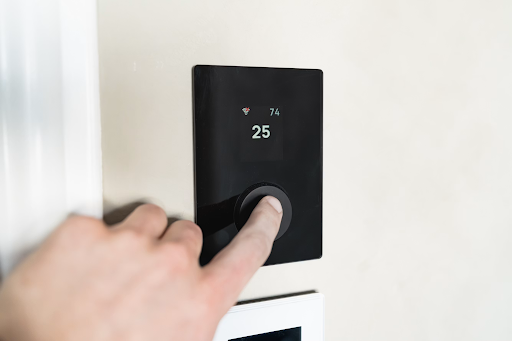
Think about upgrading to a smart thermostat. These devices learn your schedule and adjust the temperature automatically, so you’re not heating or cooling an empty house. Swapping out old incandescent bulbs for energy-efficient LEDs is another quick win. Each LED bulb uses at least 75% less energy and lasts 25 times longer. When you do these small adjustments consistently, you’ll create a more energy-efficient home and a lighter load on your wallet.
You don’t need a huge overhaul to fix these hidden energy drains. Just focusing on one area at a time will help you steadily lower your consumption and take control of your monthly bill.