
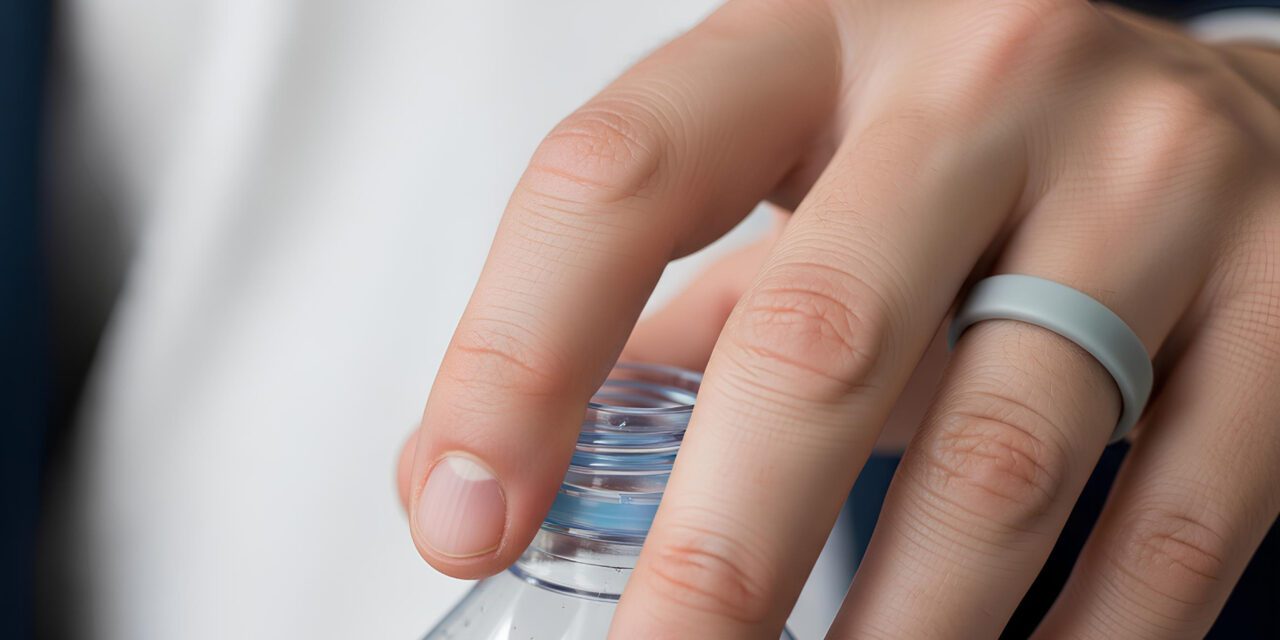
From the Office to the Gym: Why Men Are Choosing Silicone Rings
Ask most guys why they switched to a silicone ring, and the answer is simple: they got tired of dealing with their metal ring. It gets in the way at the gym, it’s too risky on the job site, or they just keep taking it off and leaving it on the bathroom counter. Over the past decade, silicone bands have gone from a niche item to a legitimate everyday choice for men across a wide range of lifestyles. The reasons vary, but they tend to come back to the same handful of things: safety, comfort and convenience, and affordability.
Safety
One of the most practical reasons men are drawn to silicone bands is physical safety. Metal rings can cause serious injury in certain environments. A phenomenon called ring avulsion occurs when a ring catches on machinery, equipment, or a fixed surface, and the sudden force is transferred to the finger. The results range from severe lacerations to partial or complete degloving of the finger. It is a documented occupational hazard in construction, manufacturing, mechanics, and emergency services.
Silicone, by contrast, is designed to break under that kind of stress. The material tears before the finger does. This property makes silicone rings a practical choice for men who work with their hands. Firefighters, electricians, military personnel, and industrial workers have adopted silicone for this reason specifically.
Comfort and Daily Wearability
Increased comfort means you’re not constantly taking your ring on and off, which adds greater convenience as well.
Comfort During Workouts and Exercise
Men who exercise regularly face a particular problem with metal jewelry: it can interfere with the activity itself. Rings catch on barbells and pull-up bars. Metal conducts heat and cold, becoming uncomfortable during outdoor runs in extreme temperatures. In swimming, chlorinated water can degrade certain metal finishes over time. Finally, a ring that fits comfortably at rest may feel tight or loose during intense cardiovascular exercise as blood flow and finger size fluctuate.
Silicone bands sidestep most of these issues. The material is waterproof and unaffected by chlorine, saltwater, or sweat. It does not conduct hot or cold temperatures. It flexes with the hand rather than creating a rigid barrier. For men who train consistently and do not want to remove their wedding band or everyday ring each time they exercise, silicone offers a practical solution.
The material is also easy to clean. Soap, warm water, and a soft brush are sufficient for regular maintenance. More thorough cleaning, using a diluted vinegar solution or brief boiling, requires no specialized products and takes only a few minutes.
Daily Wearability
Daily comfort is a less dramatic but equally significant factor in the shift toward silicone. A well-sized metal ring fits comfortably in stable conditions, but finger circumference changes throughout the day in response to temperature, hydration, physical exertion, and more. Men who do manual labor often notice that their fingers swell during work, making a fixed-diameter metal ring feel constricting. Silicone flexes with these changes, accommodating minor variation.
For men who are unaccustomed to wearing jewelry, silicone bands also tend to have a shorter adjustment period. The lightweight material is significantly less noticeable than gold, silver, or even titanium. Some men report that they eventually forget they are wearing a ring.
Affordability
Silicone rings are generally less expensive than metal alternatives. For many buyers, the initial cost is less significant than the cost structure over time.
Metal rings, particularly gold or platinum, represent a substantial investment. They can be resized, repaired, and passed down, but they can also be lost, scratched, or damaged in ways that require professional attention. Silicone rings, being lower in initial cost, are treated by many wearers as a replaceable everyday item rather than a permanent artifact. Many manufacturers offer lifetime warranties that cover rips, tears, stretching, and discoloration, and replace the ring rather than repair it.
This approach to warranty reflects the material’s design philosophy: silicone bands are meant to absorb wear, and when they fail, they fail for a reason. Then they are replaced. For men who would otherwise leave an expensive ring at home to avoid damaging it, a warrantied silicone band resolves the conflict between wearing something meaningful and protecting an investment.
What Exactly Are Silicone Rings Made Of?
Silicone is a synthetic material. The most commonly used material in wearable bands is liquid silicone rubber (LSR), a high-purity form of the material that starts as a liquid and is cured by heat and pressure in a mold. The curing process determines much of the ring’s final behavior, such as its elasticity, resistance to permanent deformation, and durability over time.
In its base form, LSR is hypoallergenic. It does not contain the nickel, cobalt, or chromium compounds that trigger contact dermatitis in a significant portion of the population. For men who have experienced skin reactions to metal jewelry, or who simply don’t know whether they will, silicone removes that variable entirely.
New Designs and Increased Variety
Early silicone rings were largely plain and utilitarian, flat bands available in a limited range of solid colors. The design landscape has changed considerably. Silicone rings are now produced in textured, etched, and multi-tone finishes. Hybrid designs combine a silicone inner ring with an outer band of titanium or zirconium, offering the comfort properties of silicone with a more visually complex exterior.
This expansion has extended to other wearables beyond rings. Silicone watch bands, bracelets, and necklaces now occupy the same product space, giving men who prefer the material’s functional properties more options for integrating it into their overall style. The material takes color exceptionally well, enabling manufacturers to produce designs ranging from matte black and neutral tones to licensed and novelty patterns.
In conclusion, silicone rings have removed several barriers to everyday ring wear for men. The safety concern is addressed. The comfort issue is addressed. Maintenance is minimal, and they’re extremely affordable. The functional case for silicone bands, from the office to the gym and everywhere in between, has been made.