
Common Winter Issues Homeowners Face
And How To Fix Them
Winter has a way of revealing how a house truly works. Pipes talk louder, doors swell, and small problems stop staying small. Homeowners often notice the same issues each year, yet the causes still surprise people because they show up quietly. A cold season does not need to feel like a long repair checklist when the problems are understood early and handled with patience.
Drafts That Make Rooms Feel Unlivable
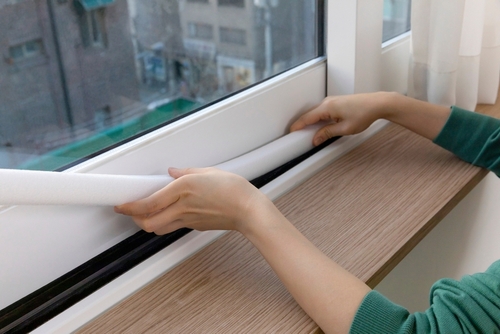
Drafts show up as cold patches near windows, doors, and baseboards. The room may be warm overall, yet a chair by the window stays uncomfortable. Weather stripping wears down over time and rarely fails all at once. Checking it by hand often reveals brittle spots or gaps that only show themselves in January.
Caulking around window frames helps seal air leaks that heating systems struggle to overcome. Plastic window film adds another layer without major work. Heavy curtains help at night when temperatures drop sharply. These fixes often bring noticeable comfort within hours rather than days.
Heating Systems Under Strain
Furnaces and heat pumps work harder in winter, especially when filters stay unchanged. A clogged filter reduces airflow and forces the system to run longer. This shortens its lifespan and raises energy bills. Replacing filters regularly keeps warm air moving efficiently.
Unusual sounds like rattling or cycling on and off deserve attention. These signs often point to airflow problems or worn components. Scheduling a professional inspection before the coldest stretch helps catch issues while repair schedules stay flexible. Small adjustments often restore reliable performance without major expense.
Condensation And Moisture Buildup
Condensation on windows looks harmless at first. It becomes a problem when moisture collects daily and drips into frames. This creates ideal conditions for mold and wood damage. Using bathroom and kitchen exhaust fans helps move humid air outside. A dehumidifier offers steady control in homes that hold moisture through the winter.
Basements often need extra attention. Cold walls meet warm indoor air and create damp spots. Sealing foundation cracks and improving airflow reduce lingering moisture. This protects stored items and keeps structural materials in better shape.
Unwanted Winter Pests
Rodents and insects search for warmth as temperatures drop. Small openings around siding, vents, and utility lines become entry points. Sealing these gaps with durable materials blocks access before pests settle in. Once inside, they often remain unnoticed until damage appears.
Homes near wooded areas or older neighborhoods see this more often. Traps address immediate problems, while professional pest control services help identify how animals enter and why they stay. Addressing the cause prevents repeat visits through the season.
Ice Dams And Roof Stress
Ice dams form when snow melts unevenly on the roof. Water refreezes near the edge and backs up under shingles. This leads to leaks that appear far from the roofline, which can ultimately infiltrate your home. If that happens, it’s best to get in contact with a company that offers water damage restoration services in order to prevent long-term damage, which can include mold growth, structural decay, and electrical damage. The best strategy, however, is preventing damage in the first place. Proper attic insulation keeps roof temperatures consistent. Clear gutters allow melting snow to drain instead of refreeze.
Removing heavy snow with a roof rake reduces stress during long storms. This task feels tedious, yet it protects shingles and flashing from damage that shows up months later.
Older Homes And Seasonal Wear
Older homes often reveal winter weaknesses more quickly because materials shift and age over time. Cracks around windows, uneven insulation, and outdated heating systems tend to become more noticeable during long cold spells. A skilled luxury custom home builder understands how thoughtful construction and quality materials reduce many of these recurring seasonal problems before they begin. Even smaller upgrades, like improving insulation or replacing aging fixtures, can make a house feel steadier and more comfortable through winter. Paying attention to these details helps homeowners avoid repeated repairs while creating a home that handles cold weather more efficiently year after year.
Winter challenges do not mean constant repairs. They invite closer attention to how a home responds to cold. Each fix builds confidence and comfort. A house that handles winter well often feels calmer once spring arrives.