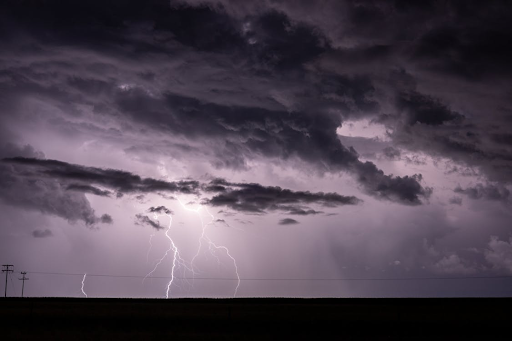
When a storm hits the home, protecting the family comes first and foremost. However, if you’re able to get through it without any scratches, your attention should next go to the home. A bad storm doesn’t always leave immediately visible damage, but there are definitely some areas worth checking to make sure there are no lingering issues, as well. Where should you start?
The First Things To Check In the Aftermath Of A Storm
Check For New Leaks And Water Stains
Water damage is one of the most potentially expensive repairs a homeowner can have to deal with, so it’s important to check the indoors before you look outside. Check your ceilings, walls, corners, attic, and areas around the chimneys and vents for infiltrating water. You might see water stains, bubbling paint, damp spots, or catch a musty smell. It’s important to keep an eye out for these even days after the storm has passed and, as soon as you spot a water intrusion, try to find the source and get in touch with water damage specialists to halt it.
See If There’s Any Visible Damage On The Roof
As it’s the exterior part of the home that is most exposed to the storm, it’s natural that the roof should be one of the first spots you assess. Look for loose or missing shingles, any exposed sections, damage to the flashing, or debris you can clear off the home. If accessing the roof doesn’t feel safe or you’re not certain you’d be able to identify damage, call a professional roofer to do it for you. They might be able to give you a comprehensive assessment and start repairs on the spot to prevent any rain infiltration down the line.
Secure The Gutters And Drainage, Too
Storms can bring excessive rainfall with them, alongside leaves, branches, and other debris that can get picked up by the wind. All of this can be more than your gutters, downspouts, and drainage are able to handle, and any blockages here can lead to overflow and leaks. This, in turn, could endanger your foundation, which can affect the safety of the entire home. As such, a simple check to make sure that your home’s drainage is clean and clear can save you a lot of worry down the line.
Mind Your Trees’ Health
If you have any trees on the property, then it’s worth making sure that they haven’t become a hazard. Aside from the fact that some trees can get directly knocked over, you should check for broken branches that could later potentially fall and hurt someone or damage your property. Even smaller branches can crack your roof’s shingles or knock your gutter loose if it’s picked up by high winds in the future. Getting the help of an arborist can help them assess the damage and prune any dangerous parts of the tree away in a way that preserves its health as best as possible.
If you’re in an area that gets bad storms every so often, then it might be worth investing in that extra coverage in your insurance that can lighten some of the financial load. Otherwise, be vigilant, and be ready to make repairs ASAP to prevent that damage from spreading.