Essential Culinary Skills You Need as a Trainee
CC0 Licensed Image Courtesy of Freepik
Ready to level up your kitchen game? Becoming a successful culinary trainee means mastering the fundamentals. We’re diving into the Essential Culinary Skills you absolutely need to nail—from knife cuts that impress to mastering basic sauces and managing your station like a pro.
There are a few essential culinary skills you need for the hospitality industry and working in a professional kitchen. These provide a solid experience that you can build on and increase your knowledge, from learning knife skills to understanding the fundamental basics of cooking.
Food Safety and Cleaning
One of the most fundamental parts of working in a kitchen is food safety. You’ve probably seen some of the horrors on Gordon Ramsay’s Kitchen Nightmares, and many of those restaurants are actually close to killing someone! From scrubbing the floors to kitchen exhaust hood cleaning, and everything in between, cleanliness and hygiene in the kitchen are critical. This includes hygiene standards, but also understanding contamination and temperature control.
Knife Skills, Of Course
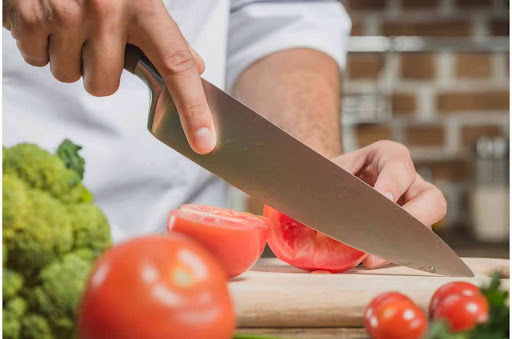
Knife skills aren’t just for show; they are critical for working efficiently and safely in a kitchen. It all begins with a reliable brand such as Global, but you must also look after your knife with safe storage and proper sharpening technique. A sharp knife is essential as a blunt knife is actually more dangerous as it is prone to slippage. However, the knife you choose is personal. It must be comfortable, the right size, and very sharp so you can use it for just about anything.
Essential Culinary Skills Include Time Management
Around 30% of hospitality staff leave within the first year, and this includes chefs. Working in a professional kitchen isn’t as easy as most people think, and it takes all manner of skills, not just cooking technique. The kitchen might be the heart of your home, but a professional one is a different animal. You are working with others, and that means you have responsibilities, not least managing your time for attendance, but also prioritization and working under pressure.
Basic Cooking Skills
You must learn to walk before you can run, and this is absolutely vital in the kitchen. Every great chef learns to understand the basics of cooking techniques, such as working with flour, what you can do with eggs, and understanding seasoning. In fact, Julia Child wasn’t even allowed to cook until she had perfected her onion chopping technique (after six months to a year) in a Parisian kitchen. From the basics, however, you build the confidence to move to advanced methods.
Communication and Teamwork
There are introverted chefs and extroverted chefs. It doesn’t matter which type you are, but how you communicate and work with others does. A professional kitchen is like a well-oiled machine, but problems will pop up. If you are able to work together and communicate, there’s nothing you cannot solve together. In the kitchen, this is how winning is done. Of course, communication is also critical for getting orders right and taking on constructive criticism from senior chefs.
Food safety and kitchen hygiene are critical and essential culinary skills you need to understand as a trainee. However, there are also fundamental skills you need to be aware of, like any other job, and these include personal time management, effective communication, and teamwork.