
Alternative Medicine: 5 Alternative Healthcare Careers To Consider
When most people think of a career in healthcare, they think about becoming a doctor or a nurse. However, there are many alternative routes – some of which don’t require as rigorous education and training, allow you to be self-employed and may even be lower stress. Below are 5 options to consider if you’re eager for a career in healthcare.
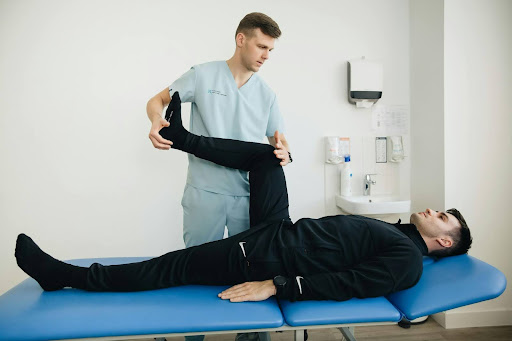
Physical therapist
Physical therapists help people to recover mobility and function after injury, surgery or illness. It’s a career that’s seeing strong job growth, and there is the option to specialize in various fields such as pediatrics, geriatrics and sports medicine. Becoming a physical therapist typically requires obtaining a Bachelor’s degree, although there are some other routes into it. This allows you to obtain your license and pursue physical therapy jobs. Physical therapists are employed in private clinics, hospitals and even some gyms/sports centres.
Chiropractor
Chiropractors use techniques like spinal manipulation and adjustments to treat issues with the musculoskeletal system. This profession is typically self-employed, allowing you to be your own boss, and can be very rewarding. You will however need to undergo extensive training to receive your license – most countries have their own national degree program and board exams that you will need to pass before you can practise.
Acupuncturist
Acupuncture is an ancient Chinese medicine that involves inserting thin needles into specific areas around the body. It’s a niche within holistic medicine that has been seeing growth recently. How do you become an acupuncturist? As with other careers above, you will need to undergo clinic training via an accredited course. This allows you to obtain your license as an acupuncturist. It’s worth noting that there are different schools of teaching – western and traditional Chinese – that you can choose between.
Nutritionist
Nutritionists help people to make healthy dietary choices. This could include helping people with weight loss, or helping people to establish diets around health conditions like diabetes and food allergies (the latter profession is usually referred to as a ‘dietician’). While anyone can become a nutritionist, you will usually need a degree if you want to work in a hospital or clinic setting. Nutritionists can also be hired by schools and or may even work for food and beverage quality control companies.
Prosthetics technician
Prosthetics technicians are specialised medical practitioners that help to build prosthetics limbs for patients who have undergone amputation or severe injuries. This can be a very rewarding career that is currently in demand. It does require quite a broad range of skills including compassion, human anatomy knowledge and manufacturing knowledge. Specialist courses in prosthetics and orthotics can teach the necessary skills to break into this career – such qualifications are often essential to get a career in this niche field.
Interested in any of these careers?
These are a small selection of alternative careers that you can consider in the field of healthcare. For those that want to help people hands-on, but who may not have the drive or patience to become a doctor or nurse, such occupations could prove to be incredibly rewarding.